Greater Portland Health, a Federally Qualified Health Center, opened its doors in 2009 with the name Portland Community Health Center. Originally under the City of Portland, Greater Portland Health was the culmination of a comprehensive needs assessment and planning process that took place in the mid-2000s involving local hospital systems and healthcare nonprofits. Through establishing a health center we aimed to expand access to health services, improve service integration and coordination, and reduce the reliance on the area’s hospital emergency departments. By 2013, we were serving over 3,000 patients and were able to launch as a fully independent 501(c)(3) organization.
What Is An FQHC?
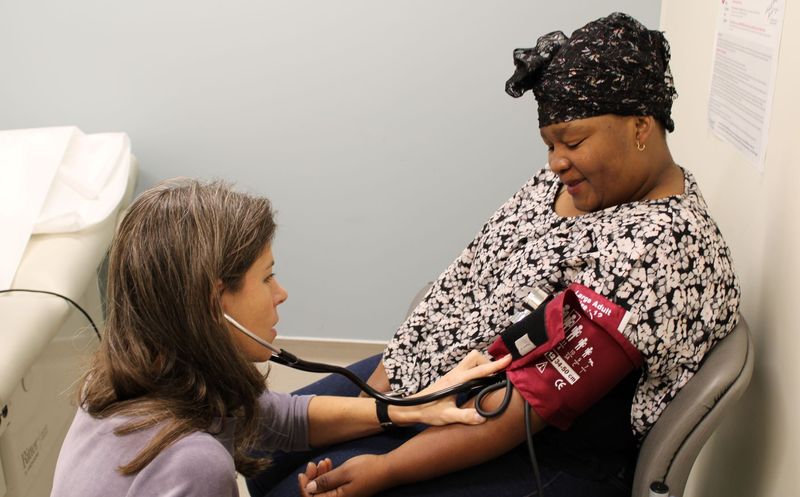
Federally Qualified Health Centers (FQHCs) are federally funded community health centers that provide primary care services to populations with limited access to health care. As an FQHC, Greater Portland Health is committed to ensuring all members of the community have access to health services regardless of their ability to pay. We offer a sliding fee scale program and accept MaineCare, Medicare and commercial insurances. In addition to funding from the federal government, a significant part of our funding is revenue from patient visits. Currently, for every insured patient who receives care at Greater Portland Health, we are able to provide care to two people who do not have insurance.
At Greater Portland Health, we provide comprehensive pediatric and adult healthcare services for all ages. Our services include: medical, behavioral health, oral health, optometry, substance use treatment, chronic and infectious disease management, psychiatric services, recuperative care services, and maternal health. We also provide oral health services in Cumberland County public schools.
As a federally funded entity, we must meet rigorous requirements and quality measures to ensure we provide the highest quality care that is responsive to patient needs. We are recognized by the National Committee for Quality Assurance as a Level 3 Patient Centered Medical Home. Additionally, our organization is guided by a Board of Directors consisting of a patient majority and we often collect patient and staff input ensuring we provide patient-centered care.
Meeting the Needs of the Community
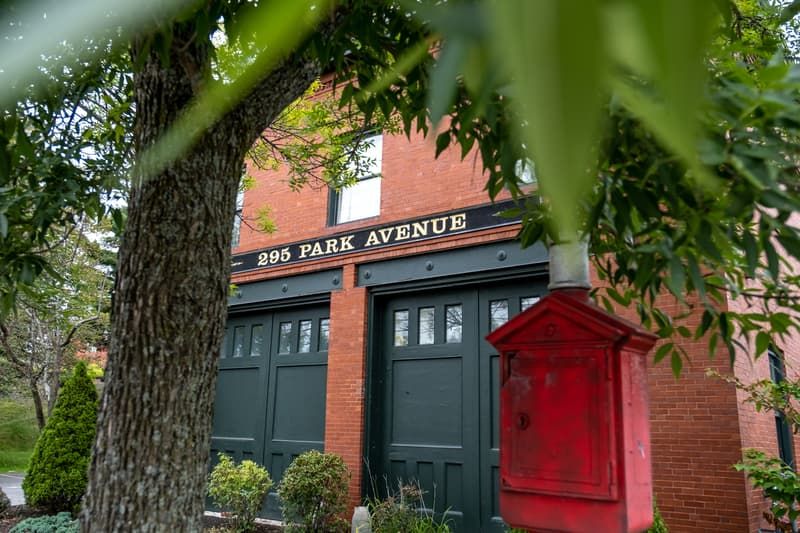
In order to meet the needs of Greater Portland’s diverse residents, we have had to grow quickly. Greater Portland Health currently serves over 17,000 patients. We have expanded to 17 service locations, including three health care for the homeless programs, three public housing sites, and seven school-based health centers. We have added 6 new sites, 100 new employees, and over 9,000 new patients over the last four years.
During this period of growth, we intentionally developed our new service site locations to address transportation and access barriers. Health centers at the Riverton Park and Franklin Towers public housing sites were added in 2013 and 2014 to facilitate access to care for people living farther away from our Park Avenue location. In January 2014, GPH expanded its services to individuals and families experiencing homelessness, with a location within the previous shelter hub at 63 Preble Street.
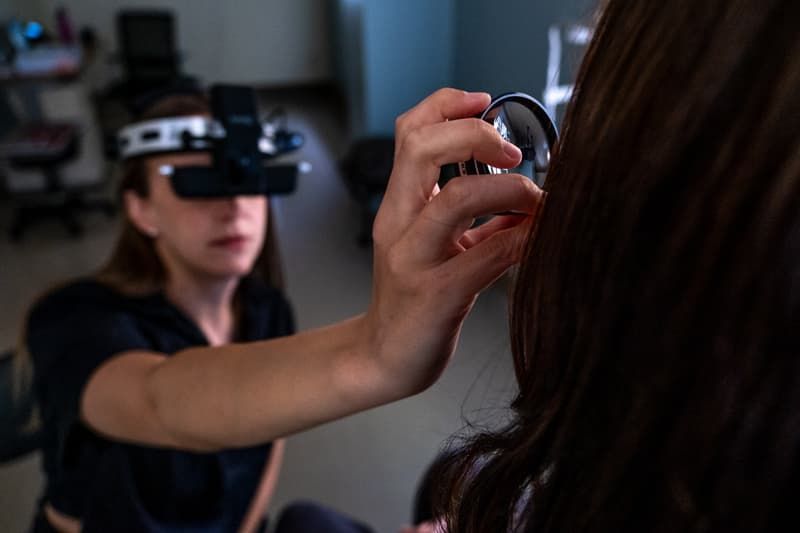
In 2015, a location was added in South Portland at 100 Brickhill Avenue prompting the name change from Portland Community Health Center to Greater Portland Health to reflect our expanded service area. The new South Portland site allowed for improved access for the significant low-income population in that neighborhood separated from downtown Portland and difficult for pedestrians to access. In addition, Greater Portland Health began operating health centers in the three Portland public high schools and King Middle School in 2016. In 2022, we opened our 7th school-based health center in South Portland Middle School and began providing recuperative care services at our health center at 934 Congress Street. In 2023, we started providing maternal healthcare, offering our patients the opportunity to receive their pregnancy care within their medical home. In 2024, we hired an optometrist who offers eye care for both adults and children. We continue to respond to community need in the expansion of our sites and services.
Our Team-Based Approach
Greater Portland Health uses an integrated medical home practice model and employs physicians, nurse practitioners, and physician assistants of various disciplines. Our model includes a team of clinical social workers, volunteer specialty providers in Neurology, Dermatology, Orthopedics, Cardiology, Ophthalmology and Endocrinology, and clinical and administrative support staff including Community Health Workers and Financial Assistance Counselors.
We pride ourselves on our team of dedicated and exceptional staff. Our highly trained and experienced providers and support staff are passionate about serving their community and are dedicated to providing high-quality primary healthcare. To learn more about our team of providers, visit here.
In addition, GPH maintains partnerships with the area's hospitals, and local mental health and family service providers. These referral networks ensure a full continuum of care for GPH's patient population. We chose the medical home model because it emphasizes care that is patient-centered, comprehensive, coordinated with outside healthcare service providers, accessible, and committed to quality and safety.
Looking Forward
Greater Portland Health’s vision is a healthy community in which everyone has access to integrated, affordable, and high-quality health care services promoting physical and emotional wellness.
As an FQHC, GPH works with its patient-majority board of directors and staff to develop and execute a strategic three-year plan. The strategic plan guides our organization in serving the community, board of directors, patients, and staff while continuing to strengthen our financial position. Strategic Plan goals for 2025-2027 include:
- Clinical and operational efficiency – emphasizing improvements in technology and infrastructure to
improve the patient and staff experience. - Financial Sustainability – Ensuring the organization’s long-term viability through financial modeling, patient access, efficient resource allocation, and enhanced fundraising and grant strategies. Diversifying funding streams and strengthening fiscal management at all levels of the organization.
- Community engagement and partnerships – Fostering stronger relationships with local organizations, donors, and the media to expand the organization's reach and impact.
- Organizational Wellness – Focusing on workforce retention, development, and recruitment to maintain a strong and engaged team.